Aikido Path Home

Category

Training Science

3 articles

Starting Strong: Five Technical and Mental Errors New Aikido Students Make in Their First Year

Starting Strong: Five Technical and Mental Errors New Aikido Students Make in Their First Year

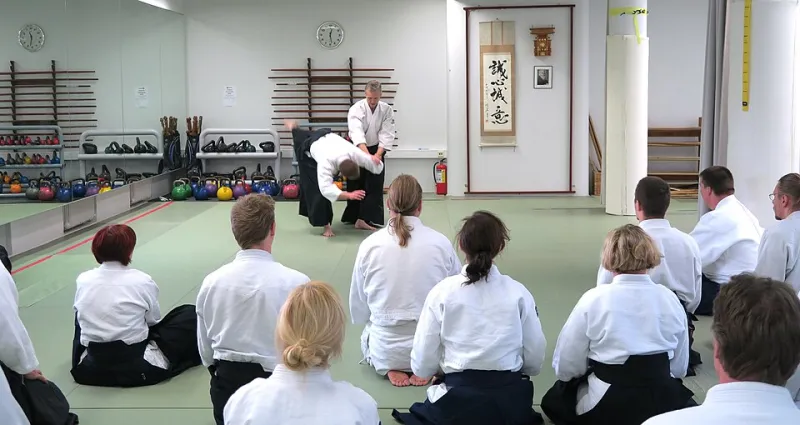
The first year of aikido training is filled with discovery, challenge, and—for most students—a predictable set of recurring mistakes that quietly slow their development. Understanding these pitfalls before or as they emerge can dramatically accelerate progress and deepen the quality of early practice. This guide addresses the five most common errors, explaining the mechanics behind each and offering concrete strategies to correct course.

Size Is Just a Number: How Aikido's Principles Empower Smaller Practitioners Against Larger Opponents

Size Is Just a Number: How Aikido's Principles Empower Smaller Practitioners Against Larger Opponents

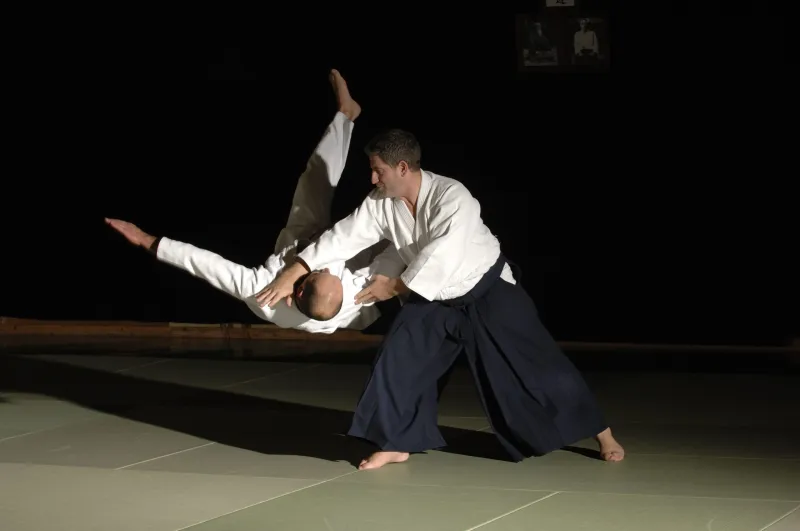
Aikido's foundational mechanics—leverage, energy redirection, and precise body alignment—systematically reduce the advantage that size and raw strength would otherwise provide. Through the lens of biomechanics and dojo experience, this article examines why smaller aikidoka frequently execute techniques with striking effectiveness against much larger training partners. The answer lies not in muscle, but in principle.

Why Circles Work: The Physics and Physiology Behind Aikido's Most Powerful Techniques

Why Circles Work: The Physics and Physiology Behind Aikido's Most Powerful Techniques

Aikido's reliance on circular motion is far more than an aesthetic choice rooted in philosophy — it is a biomechanically sound strategy that reduces injury risk, conserves energy, and neutralizes force with remarkable efficiency. Modern sports scientists and seasoned practitioners alike are finding that the ancient principles embedded in aikido's circular techniques align closely with what physics and human physiology tell us about optimal movement. Understanding the science behind these techniq